
Comparing Double vs. Triple Glazed Windows: Which Is Right for You?


Understanding the Basics of Double and Triple Glazing
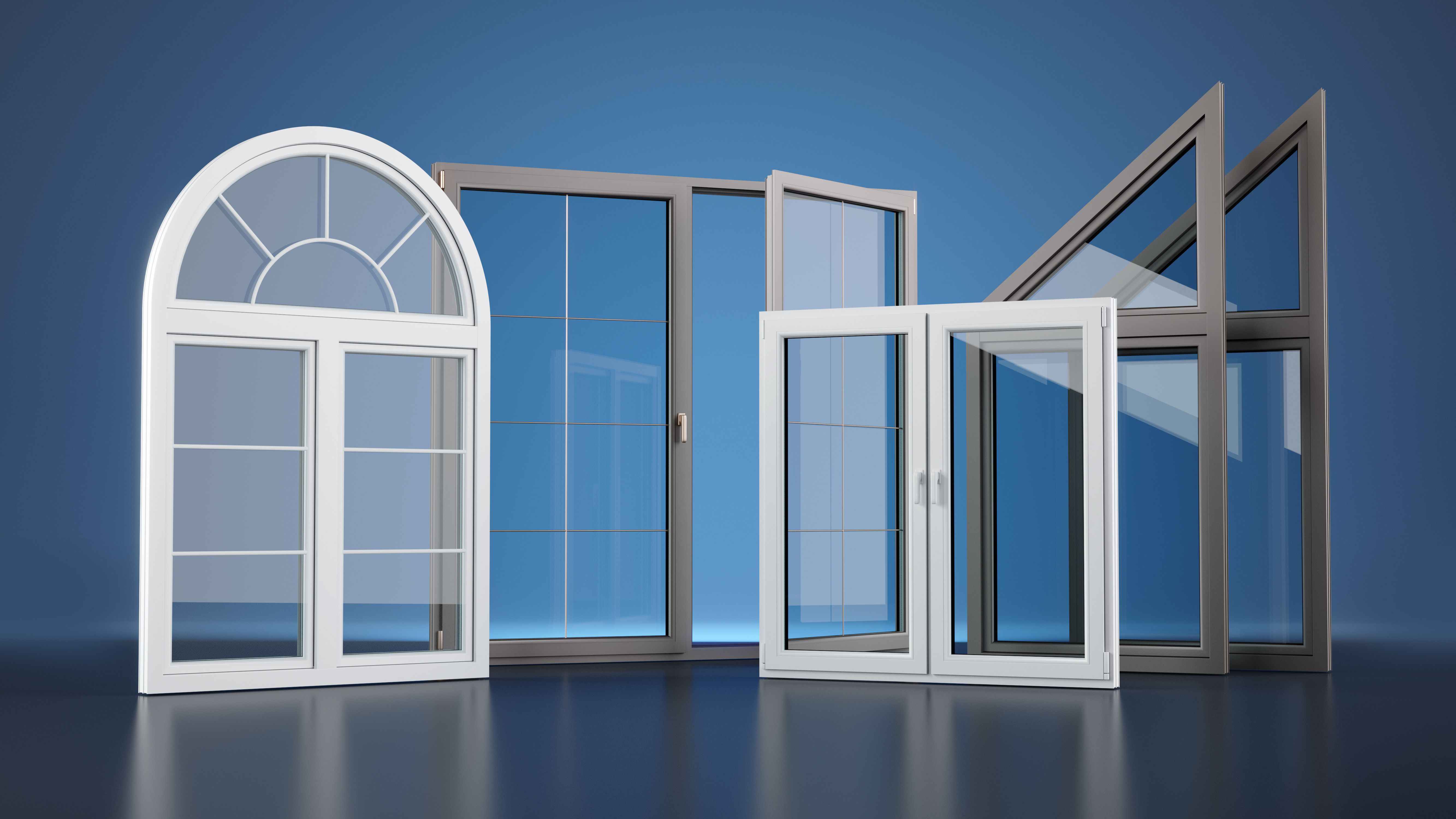
When it comes to enhancing your home's energy efficiency, the choice between double and triple glazed windows is crucial. Both options offer distinct benefits, but understanding their differences will help you make an informed decision. Double glazing consists of two panes of glass separated by a gas-filled space, whereas triple glazing adds an additional pane, increasing insulation.
Energy Efficiency Considerations
One of the primary reasons homeowners opt for glazed windows is to improve energy efficiency. Double glazed windows provide excellent insulation, reducing heat loss and helping maintain a stable indoor temperature. However, triple glazed windows take this a step further by offering even greater thermal efficiency. This can be particularly beneficial in colder climates where insulation is crucial for comfort and energy savings.
While both options contribute to reducing energy bills, the added layer in triple glazing can significantly lower heating costs over time. If you live in an area with extreme temperatures, the investment in triple glazing might be worthwhile.
Soundproofing Advantages
Besides energy efficiency, soundproofing is another essential factor to consider. Double glazing already provides a substantial reduction in external noise, making it a popular choice in urban areas. However, triple glazing can enhance this benefit, creating a quieter indoor environment by further minimizing noise pollution.
Cost Considerations
Cost is often a deciding factor for many homeowners. Double glazed windows are typically more affordable upfront compared to triple glazed options. However, it's important to consider long-term savings in energy bills and potential increases in property value. While triple glazing is more expensive initially, the enhanced energy efficiency and noise reduction can provide significant returns on investment over time.
Ultimately, your budget and specific needs will determine which option is more suitable for your home.
Climate and Location Impact
Your geographical location and climate play a significant role in determining the best choice for glazing. In regions with mild temperatures, double glazing may suffice for insulation needs. However, in colder areas, triple glazing can offer superior protection against heat loss and cold drafts.
Aesthetic and Practical Considerations
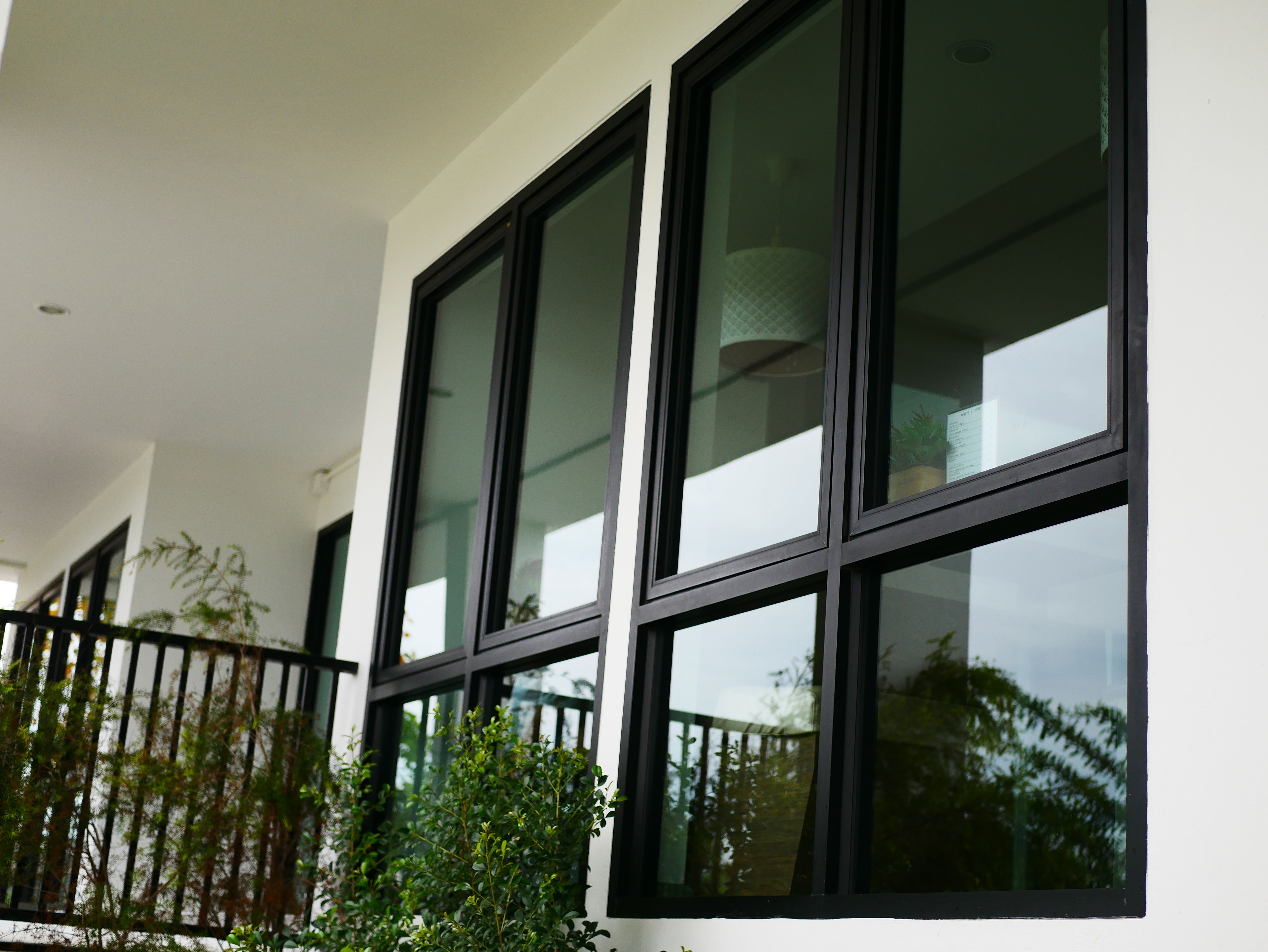
Beyond functionality, aesthetics and practicality are also worth considering. Double glazed windows are generally lighter and easier to install, while triple glazed windows can be bulkier due to the additional glass pane. If the appearance and weight of the windows are a concern, double glazing might be more suitable.
Additionally, consider any potential restrictions or recommendations from homeowners' associations or local regulations when choosing your windows.
Conclusion: Making the Right Choice
In conclusion, the decision between double and triple glazed windows depends on various factors, including budget, climate, and personal preferences. Double glazing offers a cost-effective solution with substantial benefits, while triple glazing provides enhanced insulation and noise reduction, ideal for extreme climates.
Evaluate your specific needs and consult with professionals to determine the best option for your home. Both choices will contribute to improved comfort, energy efficiency, and overall value of your property.