
Comparing Vinyl vs. Wood Windows: Which is Right for You?


When it comes to choosing new windows for your home, the decision often boils down to two popular materials: vinyl and wood. Each option has its own set of advantages and disadvantages, and the right choice depends on your specific needs, preferences, and budget. In this article, we'll explore the differences between vinyl and wood windows to help you make an informed decision.
Durability and Maintenance
Vinyl windows are known for their excellent durability and low maintenance requirements. They are resistant to moisture, fading, and warping, which makes them an ideal choice for homeowners seeking a long-lasting and hassle-free option. Cleaning vinyl windows is generally simple—just a quick wipe with soap and water will suffice.
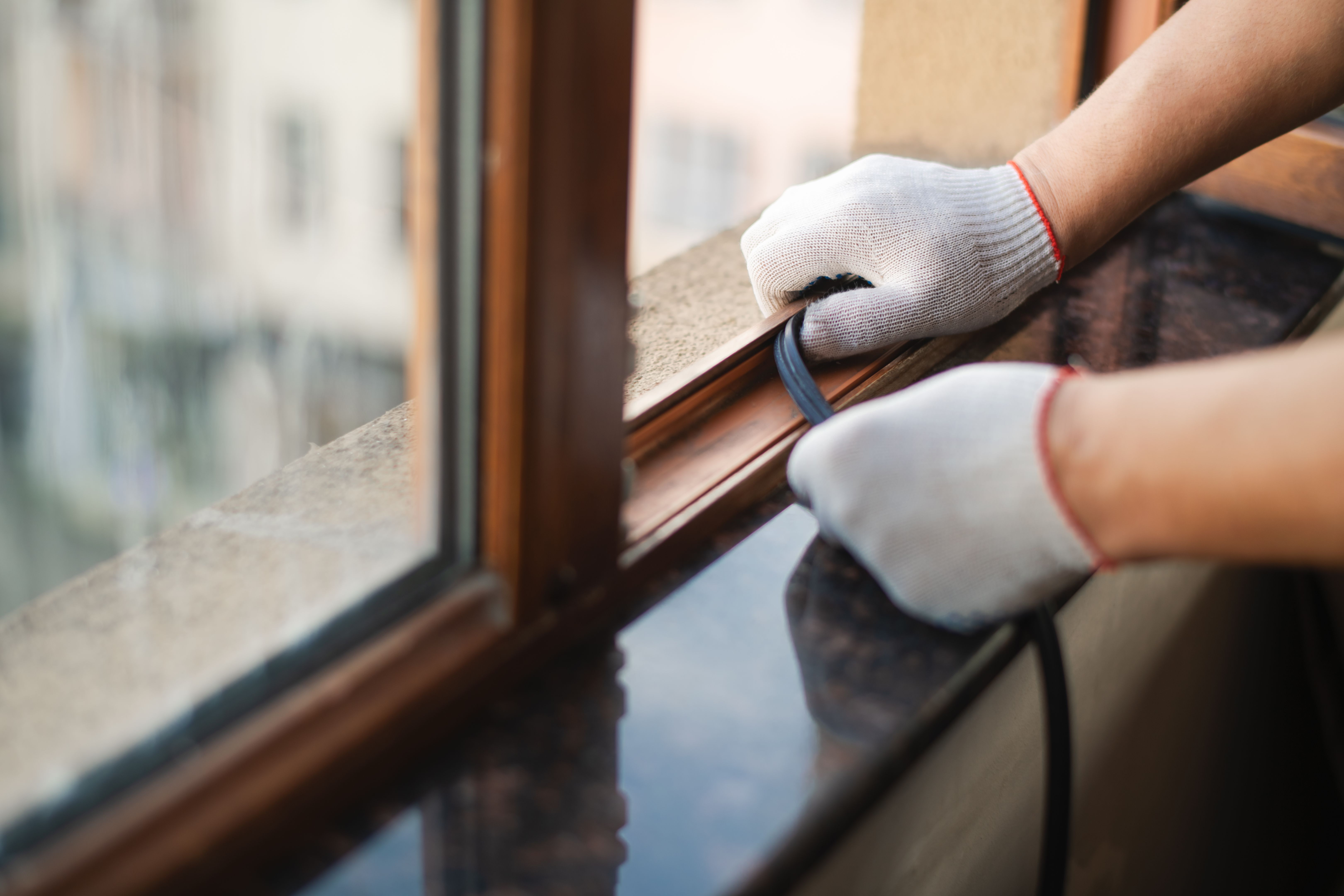
On the other hand, wood windows provide a classic, timeless aesthetic but require more attention. They need regular painting or staining to protect against the elements, and without proper care, they can be prone to rot and insect damage. However, with the right maintenance, wood windows can last for decades.
Energy Efficiency
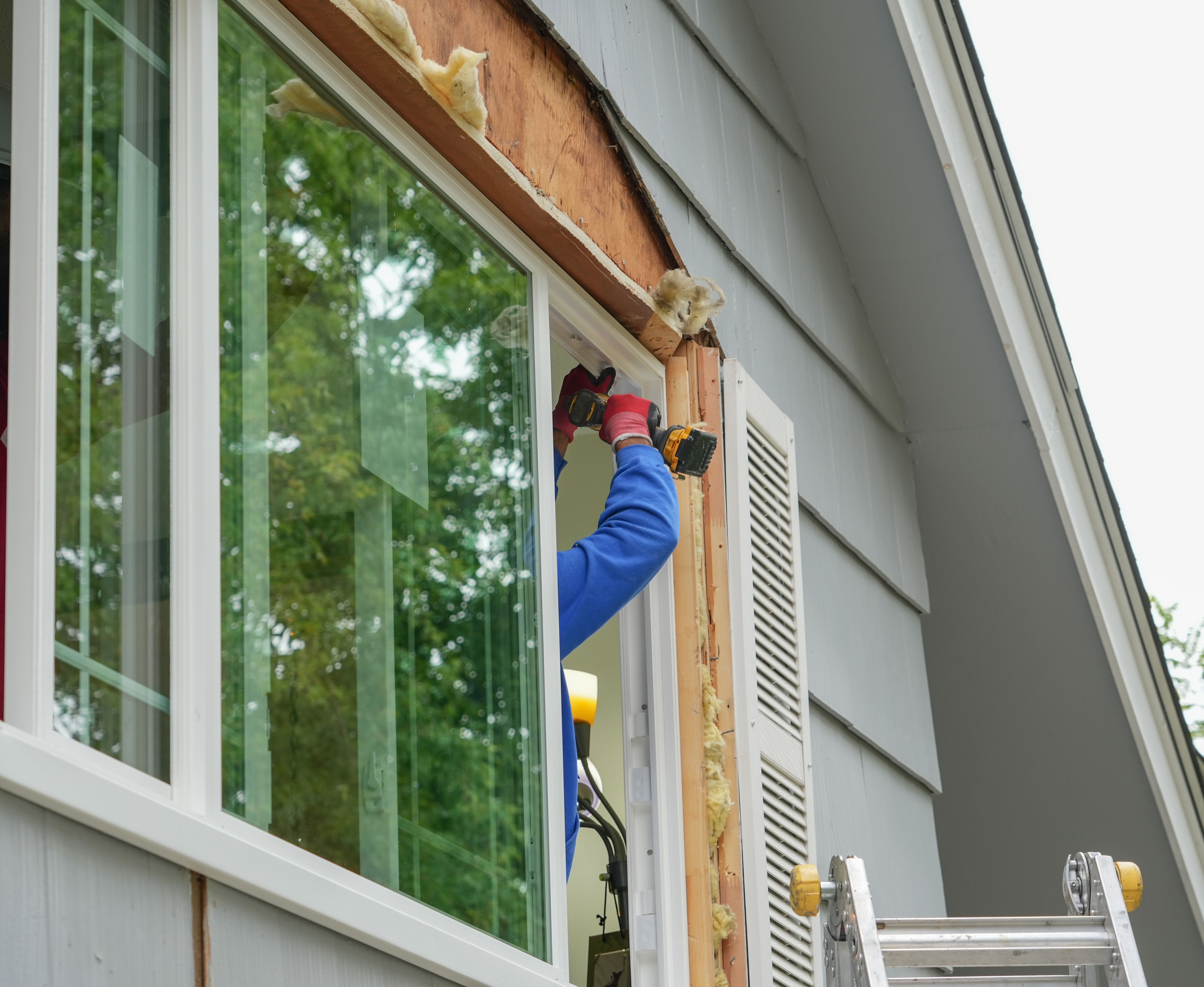
Both vinyl and wood windows offer good energy efficiency, though there are some differences. Vinyl windows typically come with multiple panes of glass and are filled with insulating gases, which can provide excellent thermal performance. They are often more affordable while still offering efficient insulation.
Wood windows naturally have good insulating properties and can be even more efficient when paired with high-quality glass options. However, their energy efficiency can diminish over time if the wood deteriorates without proper maintenance.
Aesthetic Appeal
When it comes to aesthetics, wood windows are often the preferred choice for homeowners who value a traditional or natural look. Wood offers a warm, rich appearance that can be customized with various stains and finishes to match your home's décor.
In contrast, vinyl windows are available in a range of colors and styles, but they may not offer the same level of customization as wood. While they can complement modern homes well, they might not provide the same charm as natural wood.

Cost Considerations
Cost is a significant factor for many homeowners, and here, vinyl windows often have the upper hand. They are generally more affordable than wood windows, both in terms of initial purchase and long-term maintenance.
Wood windows, while more expensive, can add significant value to a home due to their aesthetic appeal and potential longevity. For those willing to invest in their beauty and durability, wood can be a worthwhile investment.
Environmental Impact
When considering environmental impact, both materials have their pros and cons. Vinyl windows are made from PVC, which is not biodegradable, but they can be recycled. They also require less energy to produce than wood windows.
Wood windows are made from a renewable resource and are biodegradable. However, they may contribute to deforestation if not sourced responsibly. Choosing wood from sustainably managed forests can mitigate this impact.

Conclusion
In summary, the choice between vinyl and wood windows depends on your priorities. If you seek low maintenance, durability, and cost-effectiveness, vinyl windows might be the right choice. If you value aesthetics, customization, and are prepared for the maintenance, wood windows could be the better option. Consider your specific needs and budget to make the best decision for your home.