
Current Trends in Sustainable Building Materials and Design


Introduction to Sustainable Building
The shift towards sustainability in construction is gaining momentum as the industry seeks to reduce its environmental impact. Emerging trends in sustainable building materials and design are reshaping how we think about architecture and construction. These innovations are not only beneficial for the environment but also offer economic and health advantages.
Eco-Friendly Materials
One of the most significant trends is the use of eco-friendly materials. These materials are designed to minimize environmental impact, reduce waste, and improve energy efficiency. Some popular options include:
- Bamboo: A fast-growing, renewable resource that is strong and versatile.
- Recycled Steel: Reduces the need for new steel production and is highly durable.
- Rammed Earth: Offers excellent thermal mass and is made from locally sourced materials.
Innovative Insulation Solutions
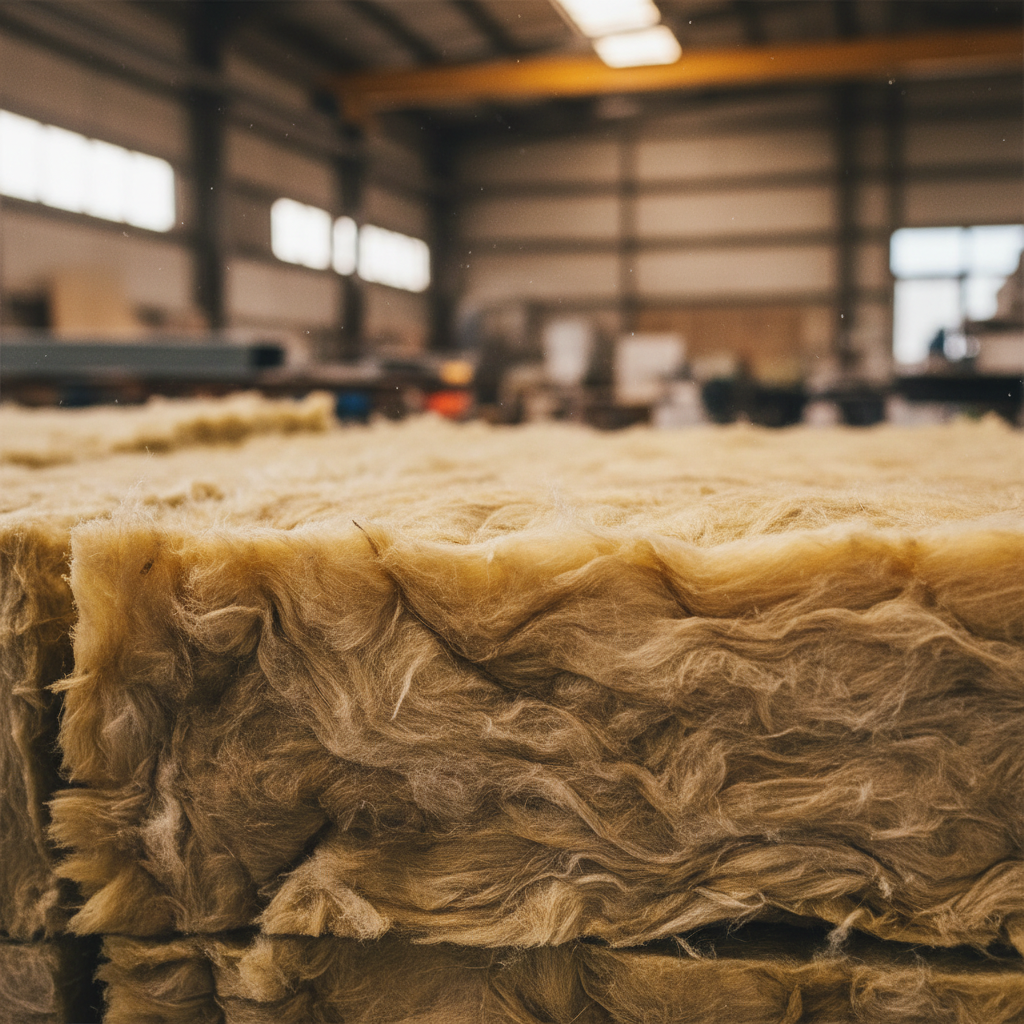
Advanced insulation technologies are playing a crucial role in sustainable building design. Materials such as sheep's wool, cellulose, and aerogels provide excellent insulation while being environmentally friendly. These materials help reduce energy consumption by maintaining optimal indoor temperatures.
Energy-Efficient Design
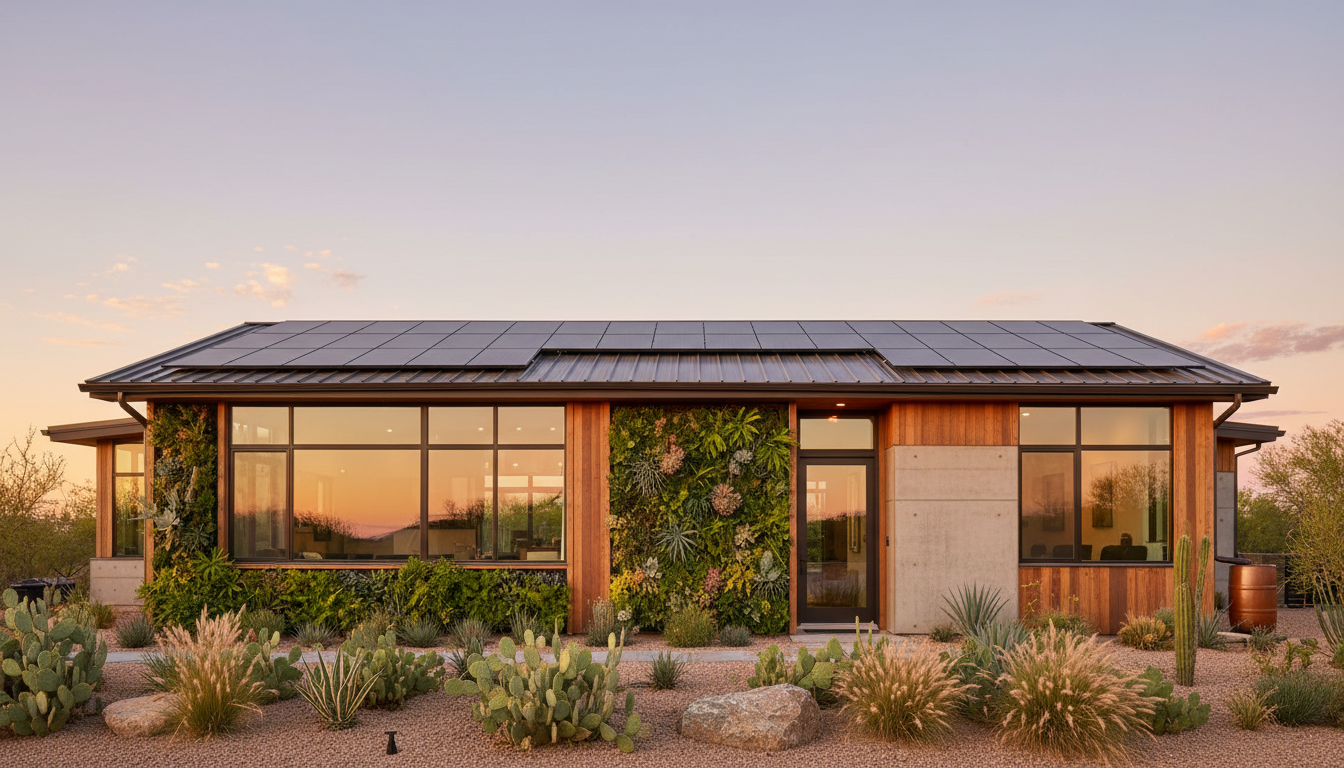
Energy-efficient design is another critical aspect of sustainable building. Architects and builders are focusing on designs that enhance natural light, improve air circulation, and reduce reliance on artificial heating and cooling systems. Key strategies include:
- Passive Solar Design: Utilizes sunlight to heat and light buildings naturally.
- Green Roofs: Improve insulation and reduce stormwater runoff.
- Smart Home Technology: Integrates systems to optimize energy use and improve efficiency.
Water Conservation Techniques
Water conservation is a vital component of sustainable design. Implementing systems to collect and reuse rainwater, low-flow fixtures, and greywater recycling are becoming more common. These technologies help conserve water and reduce utility costs.

Health and Well-Being Benefits
Sustainable building materials and design also contribute to the health and well-being of occupants. By using non-toxic materials and improving indoor air quality, buildings can provide healthier living and working environments. Enhanced natural lighting and ventilation further support this goal.
Economic Advantages
Investing in sustainable building materials and designs can lead to significant cost savings over time. Improved energy efficiency and reduced maintenance costs contribute to a lower total cost of ownership. Additionally, sustainable buildings often have higher property values and appeal to environmentally conscious buyers.
Conclusion
The trend towards sustainable building materials and design is transforming the construction industry. As awareness grows, more builders and architects are adopting eco-friendly practices, leading to a more sustainable future. By embracing these trends, we can create buildings that are not only better for the environment but also enhance our quality of life.