
DIY Tips for Installing Energy-Efficient Windows


Understanding Energy-Efficient Windows
Energy-efficient windows are designed to prevent your heated or cooled air from escaping your home. They can significantly reduce energy costs and improve indoor comfort. By installing these windows yourself, you can save on installation fees and make your home more environmentally friendly.
Before you start, it's important to understand the key features of energy-efficient windows, such as low-emissivity (Low-E) coatings, multiple panes, and gas fills. These features work together to enhance insulation and reduce energy loss.
Gathering the Necessary Tools and Materials
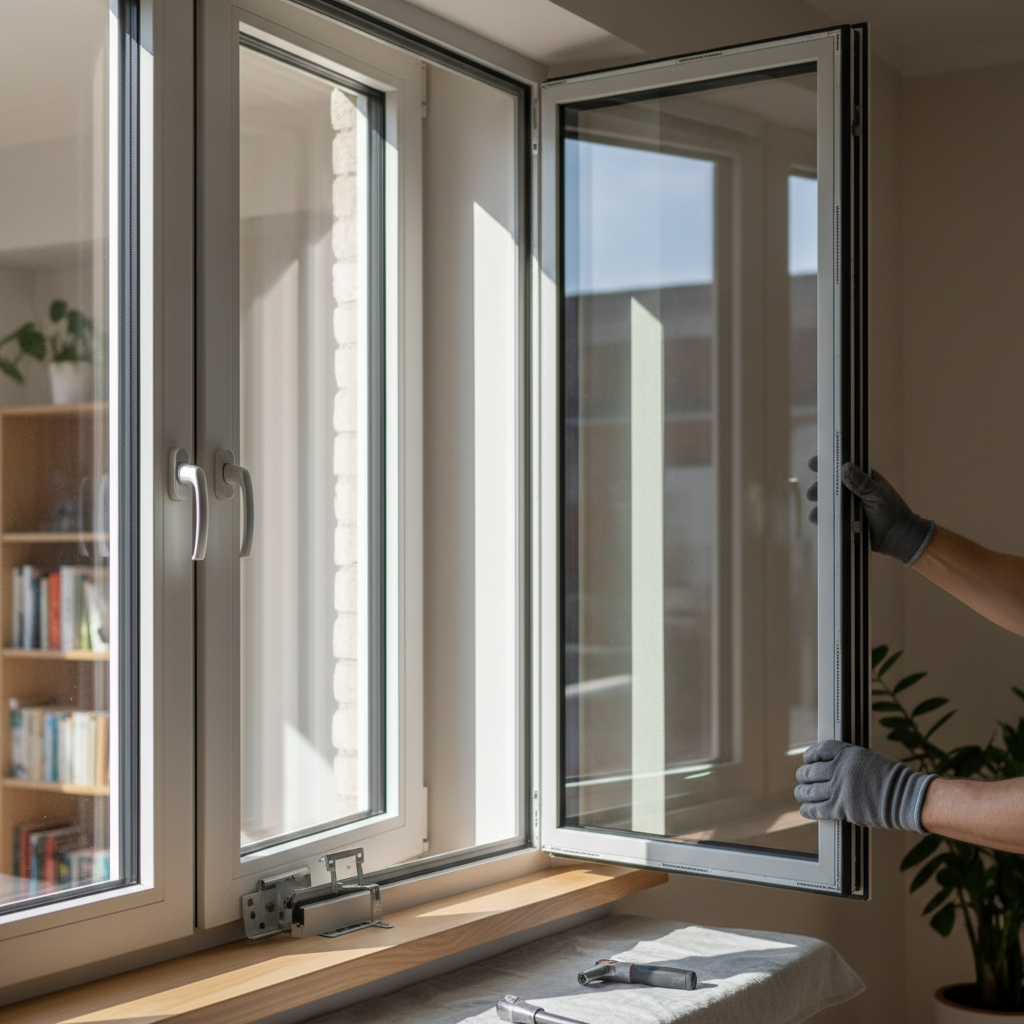
Before beginning the installation, gather all necessary tools and materials. You'll need a measuring tape, level, screwdriver, hammer, pry bar, utility knife, insulation foam, and caulk. Ensure you have the correct window sizes and types for each location in your home.
Having everything ready will streamline the process and help you avoid unnecessary trips to the hardware store. Also, check the manufacturer's instructions for any specific tools or materials required for your particular windows.
Preparing the Installation Area
Start by removing the old windows carefully. Use a pry bar to gently take out the window sashes and frames. Be cautious of broken glass and sharp edges. Once removed, inspect the window opening for any damage or rot. Repair any issues before proceeding to ensure a secure installation.
Installing the New Windows
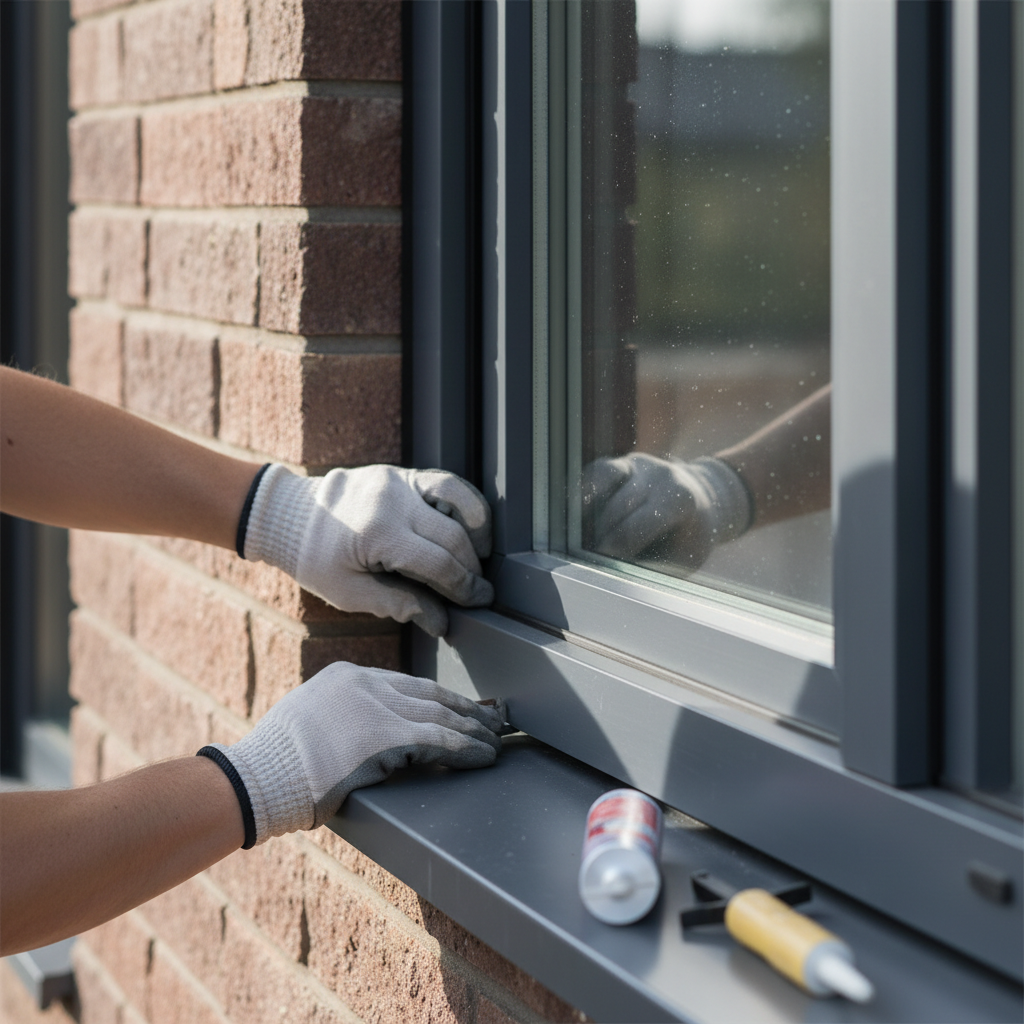
Begin by placing the new window into the opening. Use a level to ensure it's perfectly vertical and horizontal. Adjust as needed, using shims if necessary, to maintain alignment. Secure the window in place using screws, making sure not to overtighten and distort the frame.
After securing the window, apply insulation foam around the edges to seal any gaps. This step is crucial for maximizing energy efficiency. Allow the foam to expand and cure according to the manufacturer's instructions before trimming away any excess.
Sealing and Finishing Touches
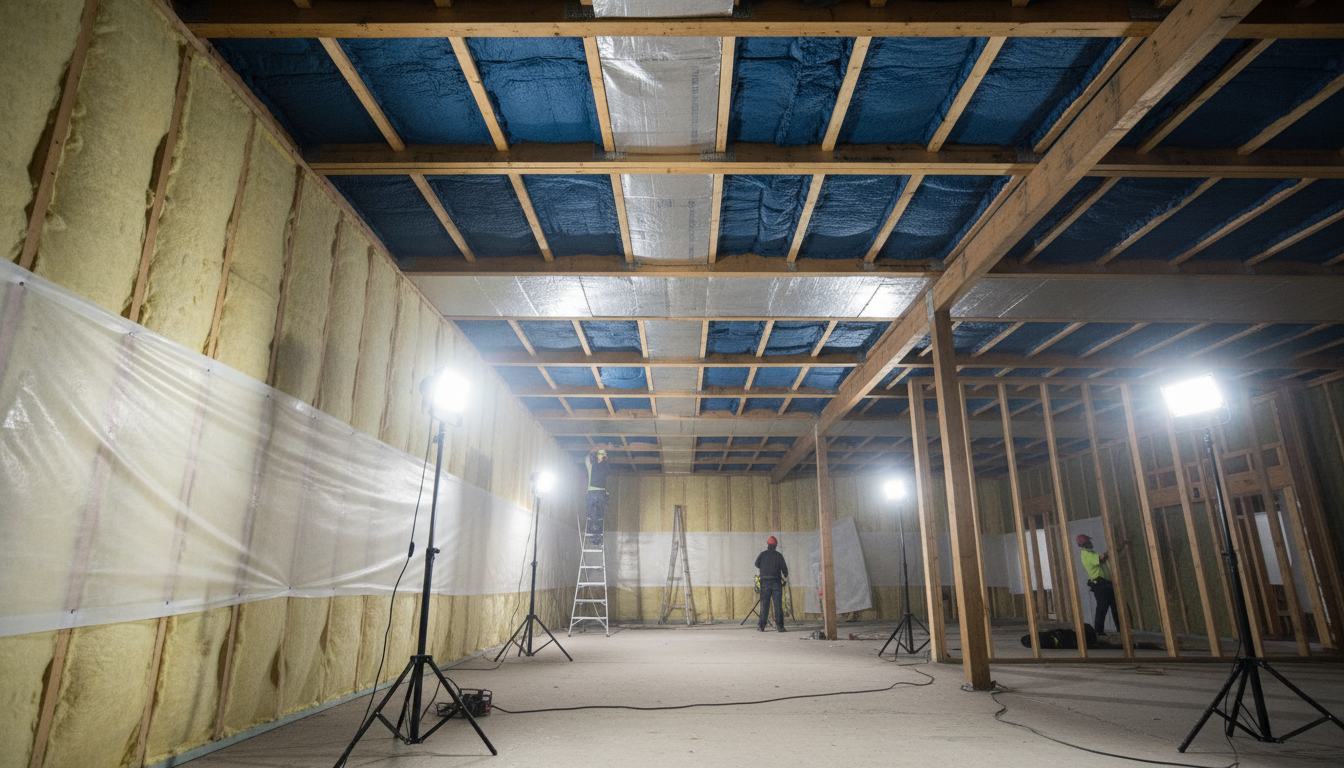
Once the foam is set, apply a bead of caulk around the exterior edge of the window to prevent air and moisture infiltration. Choose a weather-resistant caulk for lasting protection. Smooth the caulk with your finger or a caulking tool for a clean finish.
Finally, install the interior trim and ensure all components are securely in place. Test the window operation to confirm it opens and closes smoothly. Proper sealing and finishing will enhance both the appearance and performance of your new windows.
Enjoying the Benefits
With your new energy-efficient windows installed, you'll soon notice a reduction in your energy bills and improved comfort in your home. Not only do these windows offer financial benefits, but they also contribute to a more sustainable environment.
Regular maintenance, such as cleaning and checking seals, will ensure your windows continue to perform optimally. Enjoy the peace of mind that comes with a job well done and the knowledge that you've contributed positively to your home's efficiency.