
Expert Tips on Selecting Building Materials for Extreme Weather Conditions


Understanding the Challenges of Extreme Weather
When constructing buildings in areas prone to extreme weather, selecting the right materials is crucial. These structures must withstand high winds, heavy rains, intense heat, or freezing temperatures. The first step is to understand the specific challenges posed by the local climate.
For instance, regions prone to hurricanes require materials that can endure strong winds and flying debris, while areas with heavy snowfall need materials that can support significant weight. Understanding these needs will guide your material choices effectively.

Choosing Durable Materials
Metal Roofing
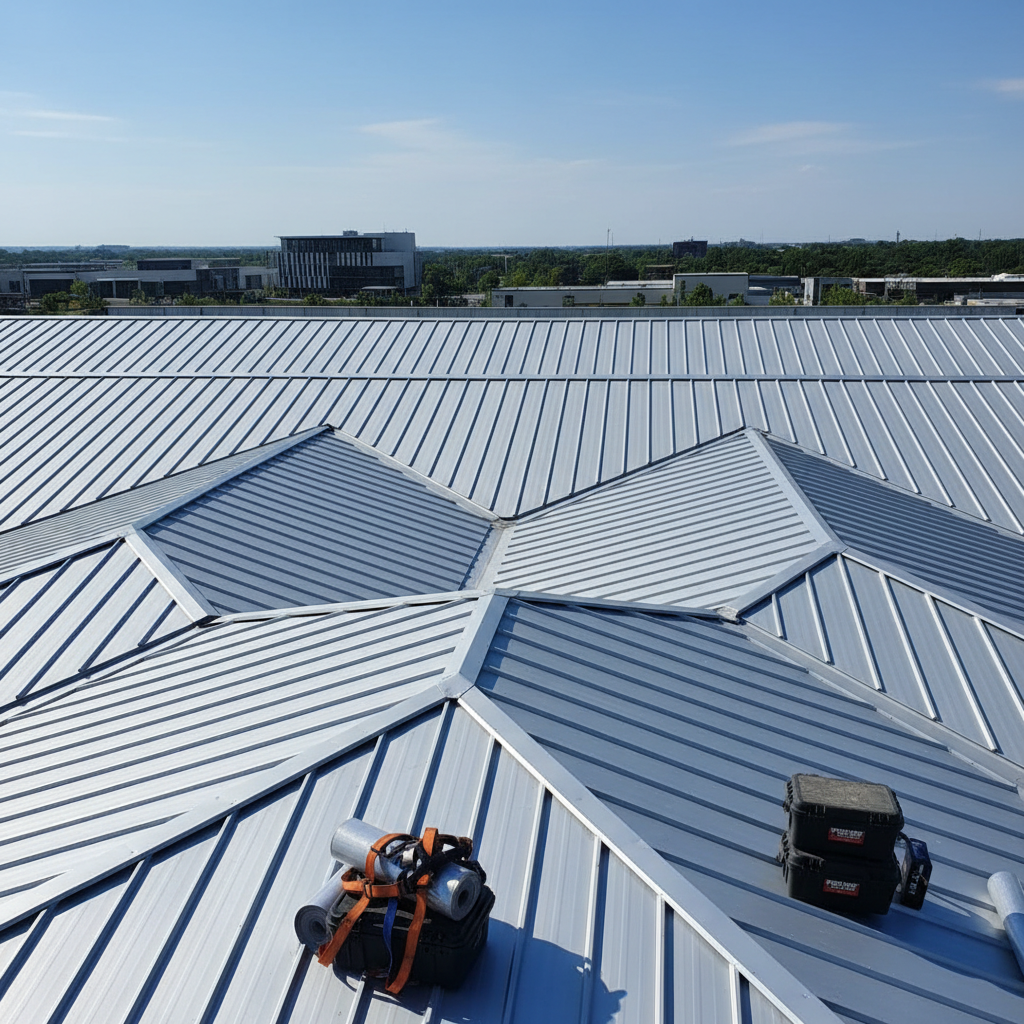
Metal roofing is an excellent choice for extreme weather conditions. It is highly durable, resistant to wind, and can last for decades. Metal roofs are also fire-resistant, which is an added advantage in areas prone to wildfires.
Concrete and Brick
Concrete and brick are robust materials that provide excellent thermal mass, making them ideal for both hot and cold climates. They offer great resistance to wind and are less likely to suffer from water damage compared to other materials.
Insulation and Energy Efficiency
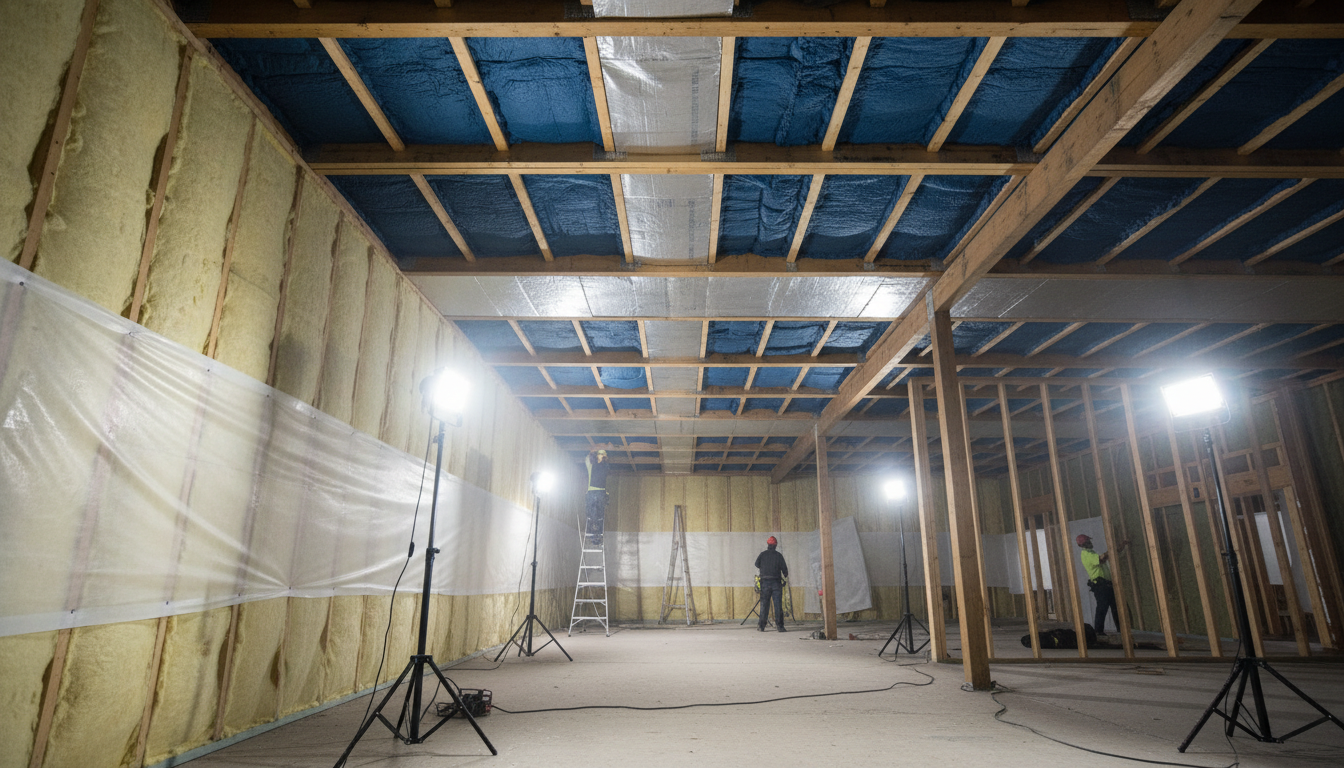
Effective insulation is crucial in extreme climates to maintain a building's energy efficiency. Materials like spray foam, fiberglass, and rigid foam boards can provide excellent insulation, helping to regulate indoor temperatures.
Proper insulation not only enhances comfort but also reduces energy costs, making it a vital consideration for any building project in extreme weather areas.
Water Resistance and Sealing
In areas with heavy rainfall or potential flooding, selecting water-resistant materials is essential. Consider using waterproof membranes and sealants to protect against moisture infiltration.
Additionally, using materials like treated wood or composite decking can prevent rot and decay, ensuring the longevity of the structure.
Advanced Glass and Window Solutions
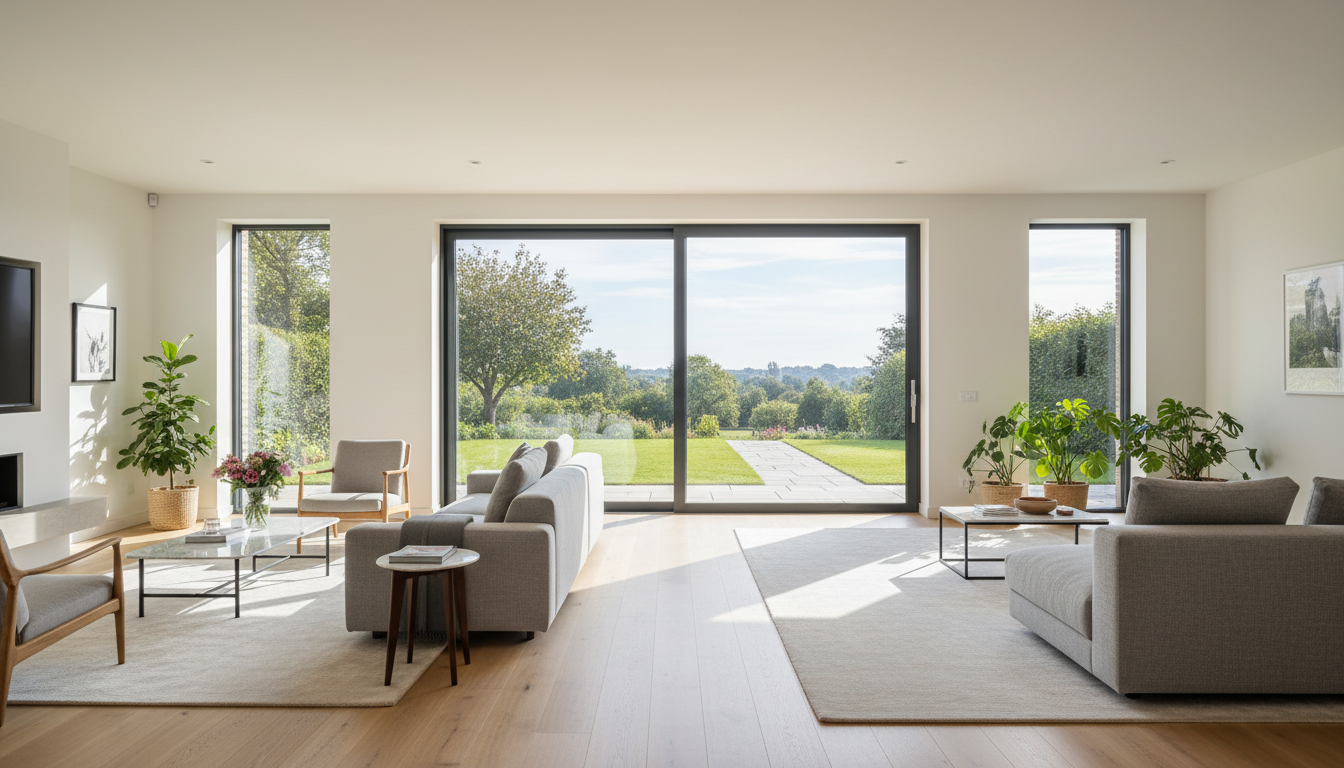
Windows are often vulnerable points in a building during extreme weather. Consider impact-resistant glass or storm windows that can withstand high winds and flying debris.
Energy-efficient windows with low-emissivity coatings can also help maintain indoor temperatures, reducing the strain on heating and cooling systems.
Consulting with Experts
Finally, consulting with architects and builders who specialize in extreme weather conditions can provide invaluable insights. These professionals can recommend materials and construction techniques tailored to specific environmental challenges.
Working closely with experts ensures that your building will not only stand the test of time but also provide safety and comfort in any weather.