
The Impact of Regional Weather on Door and Window Selection


Understanding Regional Weather Differences
When selecting doors and windows for your home, it's essential to consider the regional weather patterns. Different climates pose unique challenges, from extreme temperatures to high humidity or frequent storms. Understanding these differences can help you make informed decisions that enhance both the durability and energy efficiency of your home.
For instance, areas that experience severe winters require windows and doors with excellent insulation properties to maintain indoor warmth. Conversely, in hot climates, you need solutions that reflect heat and minimize energy consumption.

Cold Climates: Insulation is Key
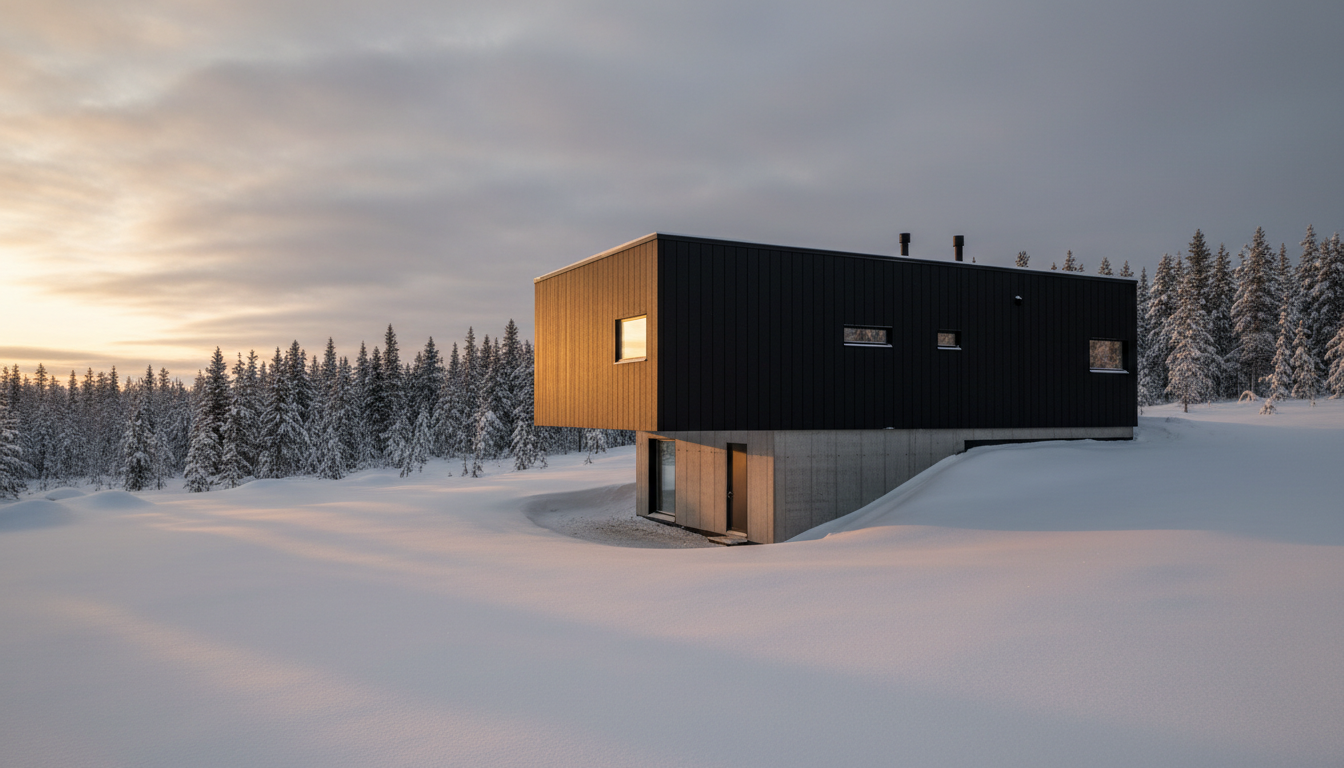
In regions with cold weather, such as the northern United States or Canada, insulating properties are paramount. Choosing double or triple-glazed windows can significantly reduce heat loss, keeping your home warmer and reducing heating costs. Look for doors with thermal breaks and materials that resist cold penetration.
Wood and fiberglass are popular choices for doors in cold climates due to their natural insulating abilities. Additionally, consider weather stripping and proper sealing to prevent drafts.
Materials to Consider
For windows, materials like vinyl and wood-clad are excellent choices. They offer a combination of insulation, durability, and aesthetic appeal. Ensure that any wood used is treated to withstand moisture and prevent rot.
Hot Climates: Keeping Cool
In hot, sunny regions, the focus shifts to reflecting heat and minimizing solar gain. Low-emissivity (Low-E) glass can help in this regard, as it reflects infrared light while allowing visible light to pass through, keeping interiors cooler.
Doors made from materials like steel or fiberglass, with reflective finishes, can help reduce heat absorption. Additionally, light-colored frames and shutters can further enhance energy efficiency.
Ventilation and Airflow
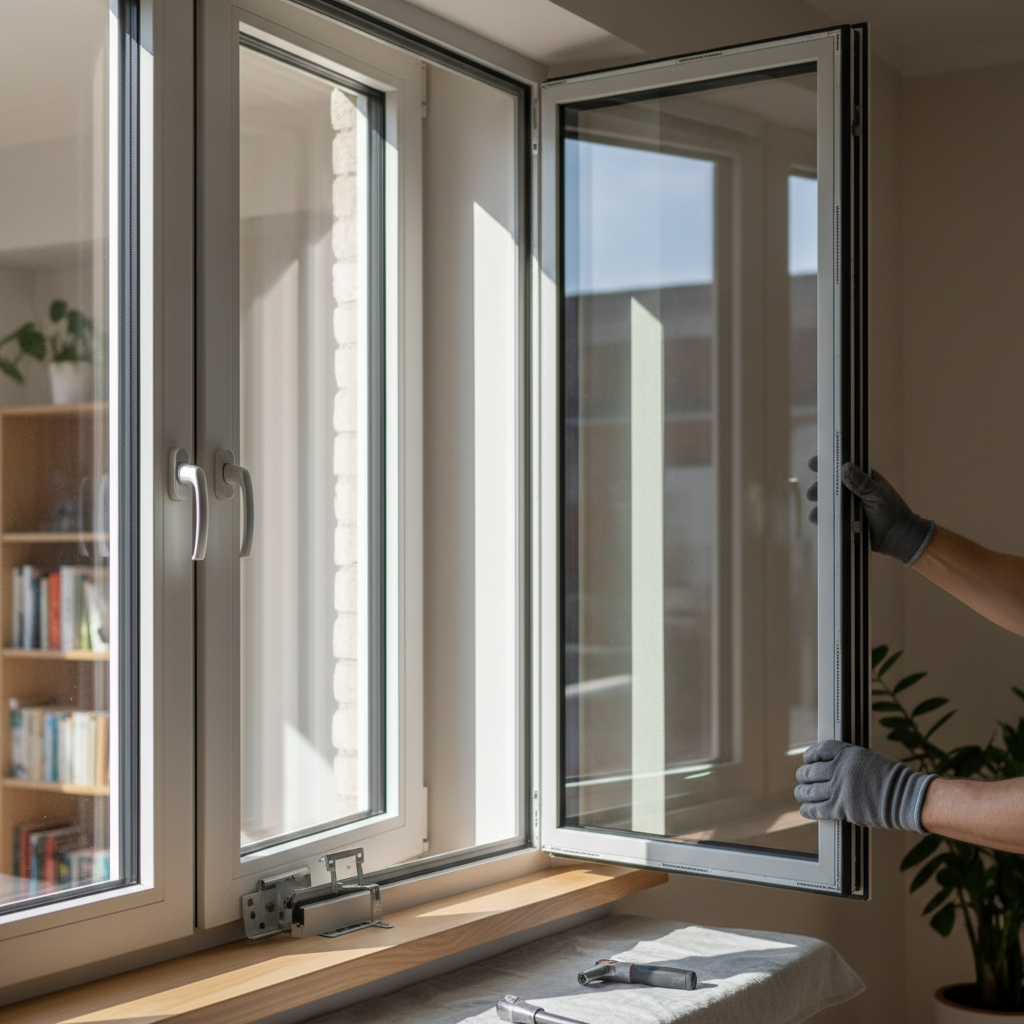
Proper ventilation is crucial in hot climates. Casement windows that open fully can maximize airflow, providing natural cooling. Ensure that doors and windows are designed to facilitate cross-ventilation, especially in areas that rely on natural breezes.
Humid or Rainy Regions: Moisture Resistance
In areas with high humidity or frequent rainfall, moisture resistance becomes a priority. Windows and doors should be made from materials that resist warping, swelling, and mold growth. Aluminum and vinyl are excellent choices due to their moisture-resistant properties.
Proper sealing and drainage systems are also essential to prevent water ingress. Consider windows with sloped sills and doors with raised thresholds to direct water away from the home.
Maintenance Considerations
Regular maintenance is vital in humid regions to prevent mold and mildew. Opt for materials that require minimal upkeep and regularly inspect seals and frames for any signs of water damage.
Conclusion: Tailoring to Your Climate
Choosing the right doors and windows based on your regional weather not only enhances comfort but also boosts energy efficiency and longevity. By considering factors such as insulation, heat reflection, and moisture resistance, you can make choices that suit your unique climate needs.
Investing in the right materials and designs ensures that your home remains a sanctuary, regardless of the weather outside.