
The Ultimate Guide to Choosing Energy-Efficient Windows


Understanding Energy-Efficient Windows
Energy-efficient windows are designed to minimize the amount of heat transfer, keeping your home comfortable while reducing energy bills. They achieve this through advanced technologies and materials that enhance insulation. Investing in these windows can be a significant step towards sustainability and cost savings.
Key Features to Look For
When choosing energy-efficient windows, there are several features to consider. Low-E glass is a top choice for its ability to reflect heat while allowing light to pass through. Double or triple glazing provides better insulation compared to single-pane windows. Additionally, look for windows with argon or krypton gas fills, which further reduce heat transfer.
Another important feature is the window frame material. Vinyl, wood, and fiberglass typically offer better insulation properties compared to aluminum. Examine the U-factor and Solar Heat Gain Coefficient (SHGC) ratings. A lower U-factor indicates better insulation, while an appropriate SHGC rating will depend on your climate.
Benefits of Energy-Efficient Windows
Installing energy-efficient windows offers numerous benefits. Firstly, they can significantly reduce energy bills by minimizing the need for heating and cooling. Secondly, these windows contribute to a more comfortable living environment by eliminating drafts and maintaining a consistent indoor temperature.
Moreover, energy-efficient windows can increase the value of your home. With growing awareness of environmental issues, potential buyers are often willing to pay a premium for homes with sustainable features. Additionally, these windows help to reduce your carbon footprint, making them an environmentally responsible choice.

Installation Considerations
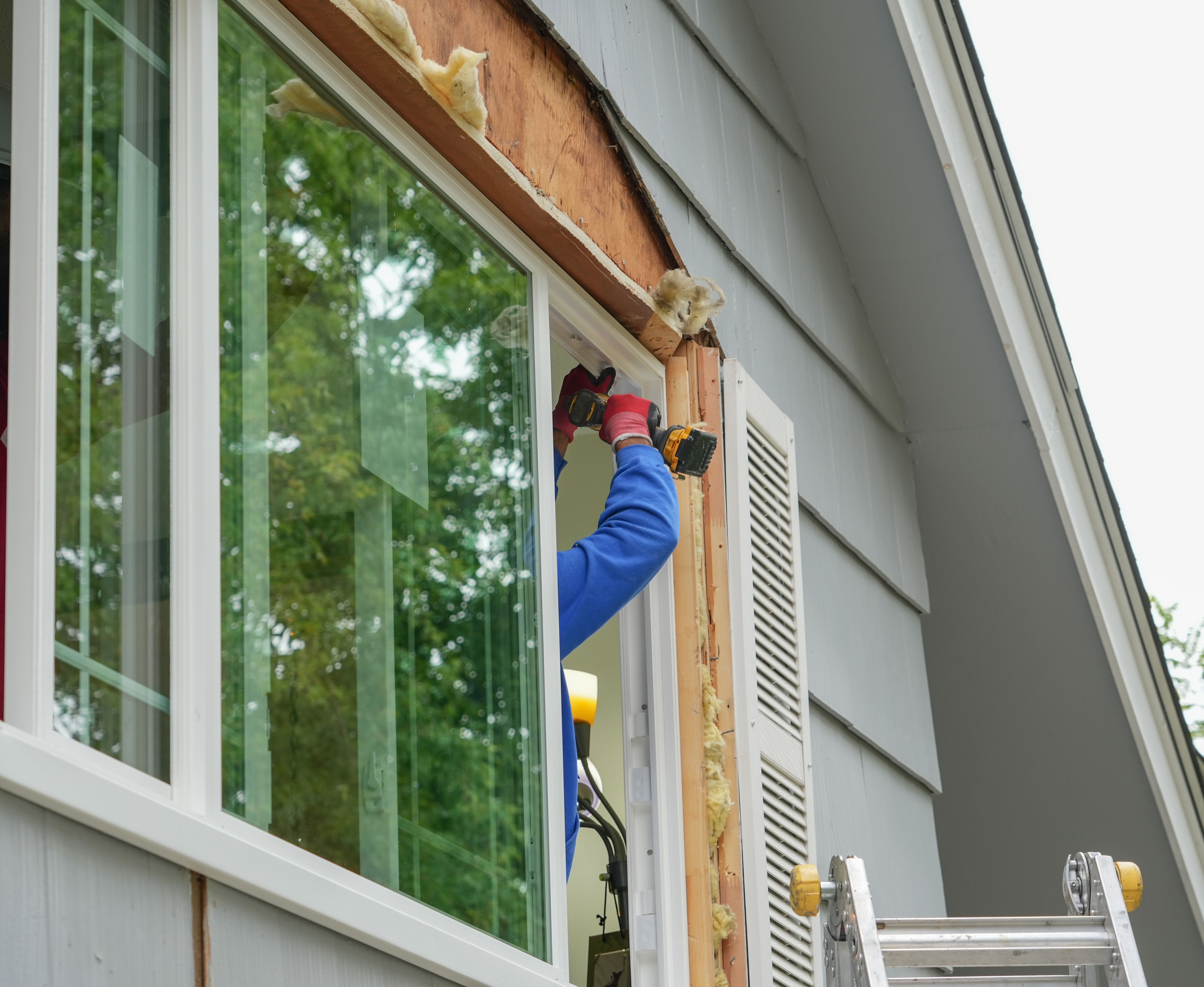
Proper installation is crucial to maximize the benefits of energy-efficient windows. Even the best windows can underperform if not installed correctly. It is advisable to hire professionals who are experienced in handling energy-efficient products. They will ensure that the windows are sealed properly to prevent air leaks.
Consider the orientation and placement of your windows as well. South-facing windows can harness more sunlight, providing natural warmth during colder months. In contrast, north-facing windows may require additional insulation to prevent heat loss.
Choosing the Right Supplier
Selecting a reputable supplier is essential for obtaining high-quality energy-efficient windows. Look for companies with certifications from organizations such as ENERGY STAR or the National Fenestration Rating Council (NFRC). These certifications ensure that the windows meet rigorous energy performance standards.
Additionally, reading customer reviews and seeking recommendations can provide insights into the reliability and service quality of potential suppliers. A good supplier will offer warranties and provide guidance on the best window options for your specific needs.

Final Thoughts
Choosing energy-efficient windows is a worthwhile investment that offers long-term savings and environmental benefits. By considering key features, installation practices, and selecting a reputable supplier, you can enhance your home's comfort and sustainability. Make informed decisions to enjoy the full advantages of these modern windows.