
The Ultimate Guide to Choosing Energy-Efficient Windows and Doors


Understanding Energy Efficiency
When it comes to enhancing your home's energy efficiency, windows and doors play a crucial role. They are not only architectural elements but also significant contributors to your home's insulation. Choosing the right energy-efficient windows and doors can lead to substantial savings on utility bills while improving comfort and reducing your carbon footprint.
Energy-efficient windows and doors are designed to prevent heated or cooled air from escaping your home. They achieve this through advanced technology and materials that minimize energy loss. Understanding these features is essential in making an informed choice.

Features to Look For
Window Glazing
The type of glazing on windows significantly impacts their efficiency. Double or triple-glazed windows offer better insulation compared to single-pane windows. Additionally, look for low-emissivity (Low-E) coatings that help reflect heat while allowing light to pass through.
Frame Materials
Window and door frames come in a variety of materials, including wood, vinyl, aluminum, and fiberglass. Each material has its own set of benefits. For instance, vinyl and fiberglass are known for their excellent insulation properties and low maintenance requirements.

Consider the Climate
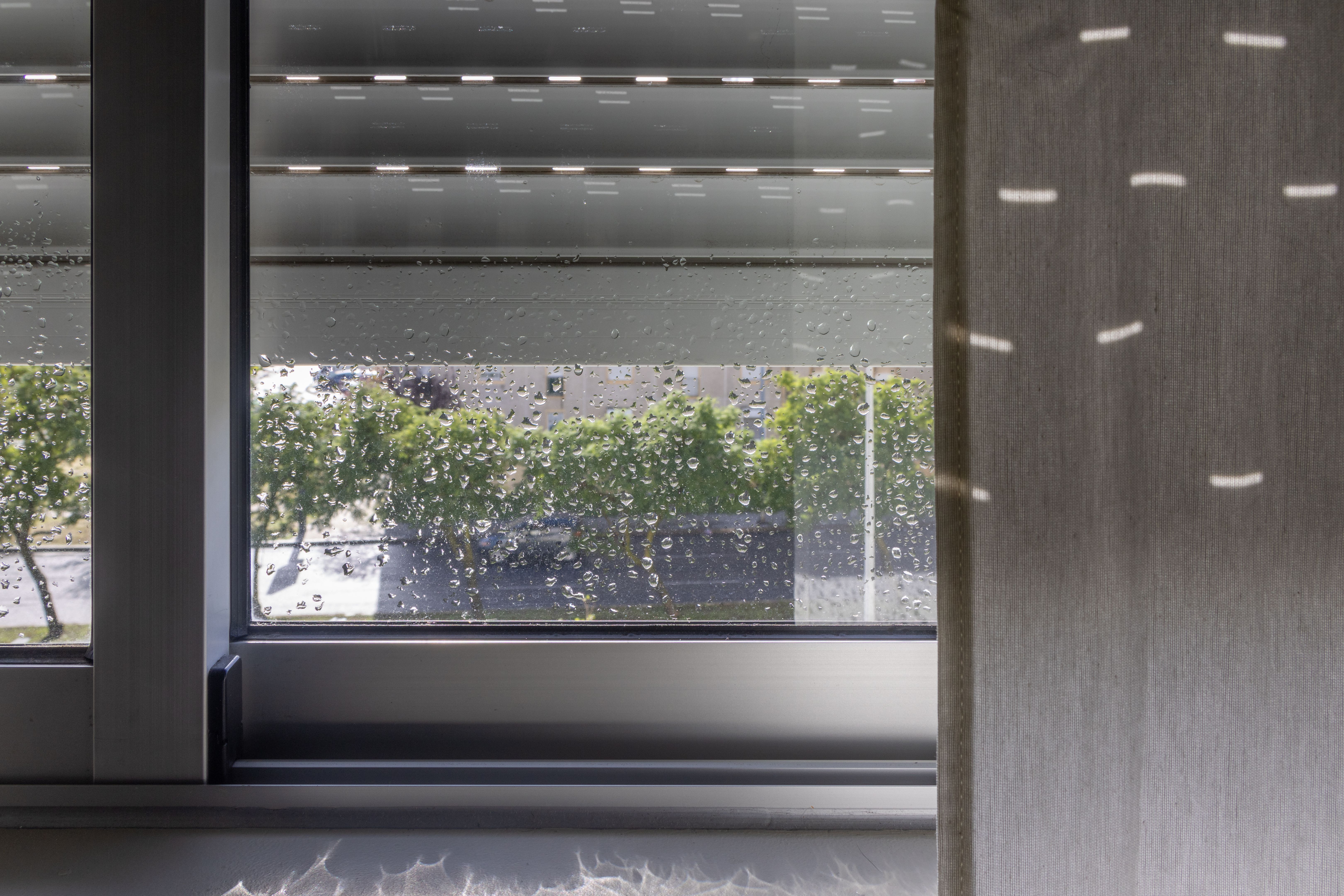
Your local climate should significantly influence your choice of energy-efficient windows and doors. In colder climates, windows with higher insulation values are essential to keep your home warm. In contrast, in warmer climates, you should focus on features that block solar heat.
In addition to insulation, consider the placement of your windows and doors. South-facing windows can maximize solar heat gain in the winter, while strategically placed shades or awnings can reduce heat in the summer.
Certification and Standards
Look for windows and doors that meet specific energy efficiency standards. The ENERGY STAR label is a reliable indicator of energy performance. Products with this certification have been tested and meet rigorous criteria set by the U.S. Environmental Protection Agency.
Additionally, consider products certified by the National Fenestration Rating Council (NFRC), which provides reliable information on how windows and doors perform in terms of energy efficiency.
Installation Matters
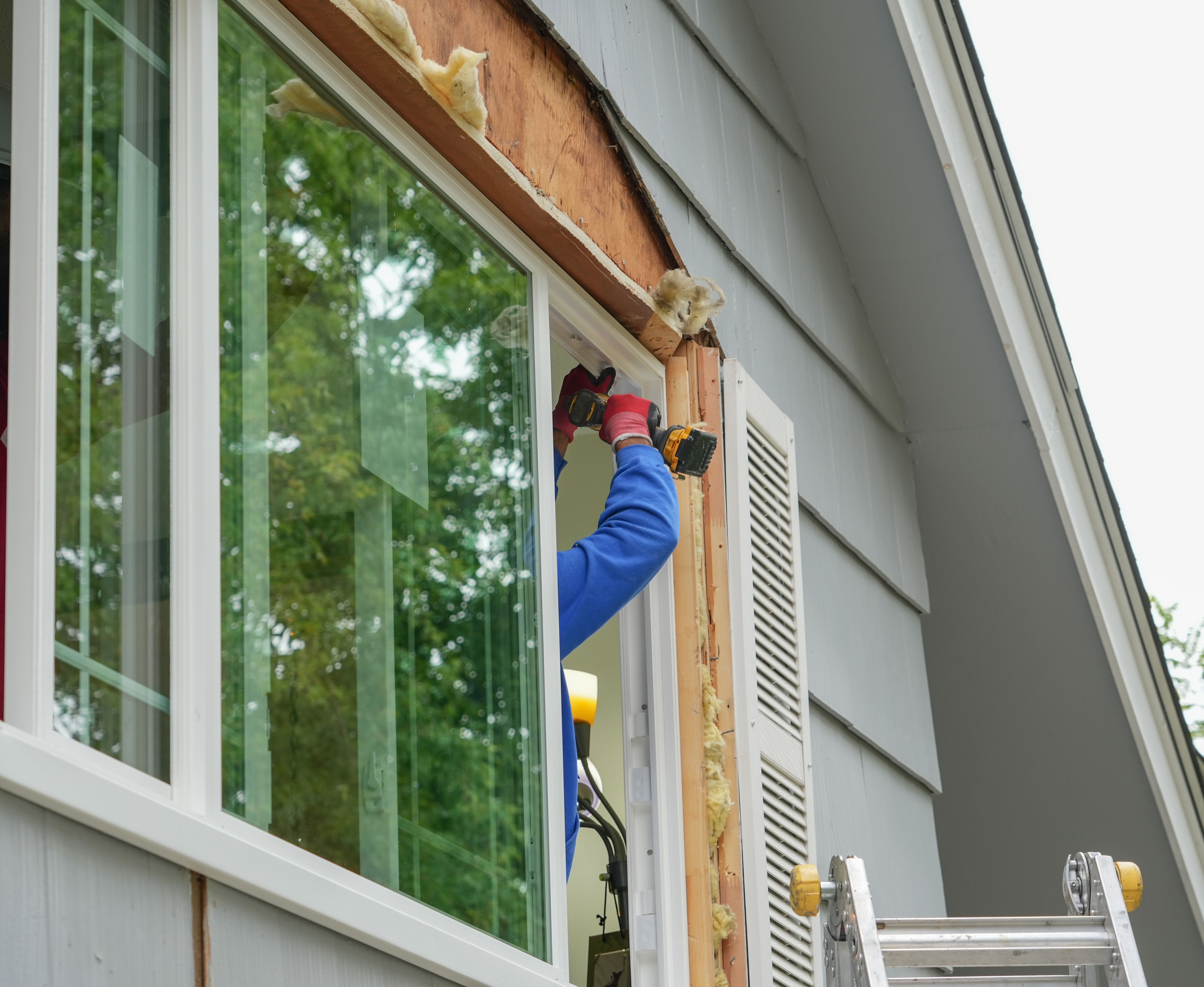
Even the most energy-efficient windows and doors will not perform well if they are not installed correctly. Proper installation is crucial to ensure that there are no gaps or leaks that could reduce their efficiency. Hiring a professional installer can ensure that your windows and doors are fitted to maximize energy savings.
Cost vs. Savings
While energy-efficient windows and doors may have a higher upfront cost, they often pay for themselves over time through reduced energy bills. Calculate potential savings by considering factors such as your local energy rates, climate, and the specific features of the products you choose.
Investing in energy efficiency is not only a smart financial decision but also a commitment to sustainability. By reducing your energy consumption, you contribute to a healthier planet.