
Understanding Local Building Codes for Window and Door Installations


When planning window and door installations, understanding local building codes is crucial. These regulations ensure safety, energy efficiency, and structural integrity. Navigating these codes can be complex, but with the right information, your installation will be smooth and compliant.
Building codes vary widely depending on location. They are influenced by factors like climate, local risks, and architectural styles. Familiarizing yourself with the specific requirements in your area is the first step to a successful project.

Why Building Codes Matter
Building codes are designed to protect both property owners and the community. They ensure that installations meet minimum safety standards and help prevent hazards like structural failures and energy inefficiencies. Complying with these codes can also avoid costly fines and project delays.
Moreover, adhering to building codes can enhance the resale value of your property. Buyers are more confident in homes that meet all legal requirements, knowing they are investing in a safe and well-constructed property.
Key Areas of Focus
Structural Integrity
Structural integrity is a primary concern in building codes for windows and doors. The codes specify how installations should withstand forces such as wind and seismic activity. This is particularly important in regions prone to extreme weather.
For instance, in hurricane-prone areas, windows and doors must meet specific standards to resist wind pressure and impact from debris. Understanding these requirements ensures your installation is both safe and compliant.
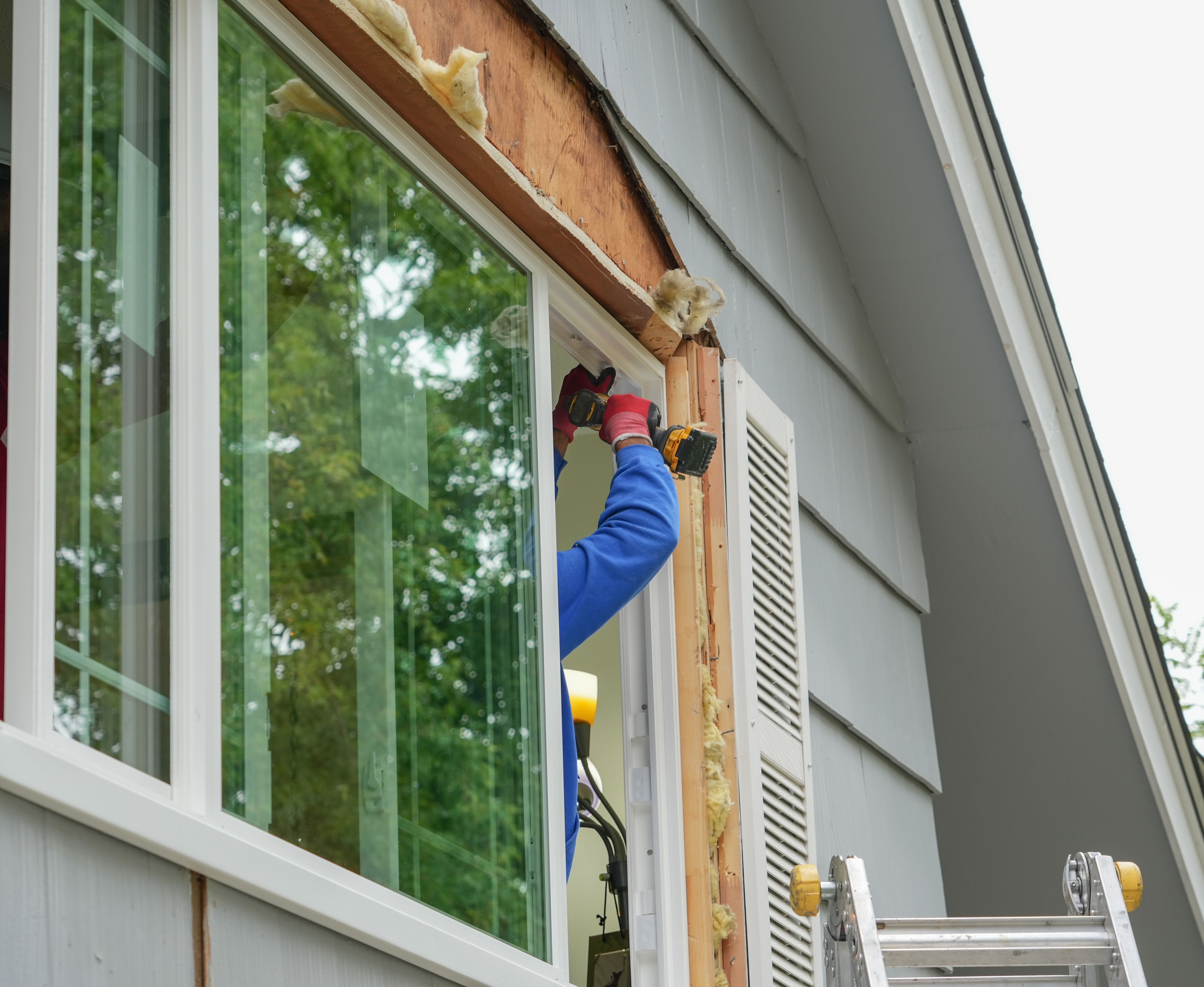
Energy Efficiency
Energy efficiency is another critical aspect of local building codes. Many areas have adopted standards that require windows and doors to contribute to a building's overall energy performance. This includes insulation values and materials used in construction.
Installations that meet these energy standards can significantly reduce heating and cooling costs. They also contribute to environmental sustainability, aligning with broader efforts to reduce carbon footprints.
Steps to Ensure Compliance
Ensuring compliance with building codes involves several steps. First, research the specific codes applicable in your area. This information is typically available from local building departments or government websites.
- Consult with a professional contractor or architect familiar with local regulations.
- Obtain necessary permits before starting your installation.
- Schedule inspections at key stages of the project to verify compliance.

By following these steps, you can ensure that your window and door installations meet all necessary legal standards, providing peace of mind and long-term benefits for your property.
In conclusion, understanding and adhering to local building codes for window and door installations is not just about following the law. It's about ensuring safety, enhancing energy efficiency, and protecting your investment. With careful planning and professional guidance, you can successfully navigate these regulations.