
Understanding Local Building Regulations for Door and Window Installation


Understanding Local Building Regulations
When planning to install new doors and windows, it's essential to understand the local building regulations that may affect your project. These rules ensure safety, energy efficiency, and aesthetic consistency within the community. Ignoring them can lead to costly fines or the need for rework.

Why Building Regulations Matter
Building regulations are in place to protect both homeowners and the community. They ensure that structures are built to withstand environmental stresses and meet safety standards. For doors and windows, these regulations often focus on aspects like energy efficiency, fire safety, and structural integrity.
Adhering to these regulations not only ensures compliance but also enhances the value of your property. When it comes time to sell, having certifications of compliance can make the process smoother and more attractive to potential buyers.
Key Areas of Focus
There are several key areas where building regulations may impact door and window installation:
- Energy Efficiency: Regulations often require specific ratings for thermal performance.
- Safety Standards: This includes requirements for safety glass and fire exits.
- Structural Integrity: Ensuring that installations can withstand environmental forces like wind.
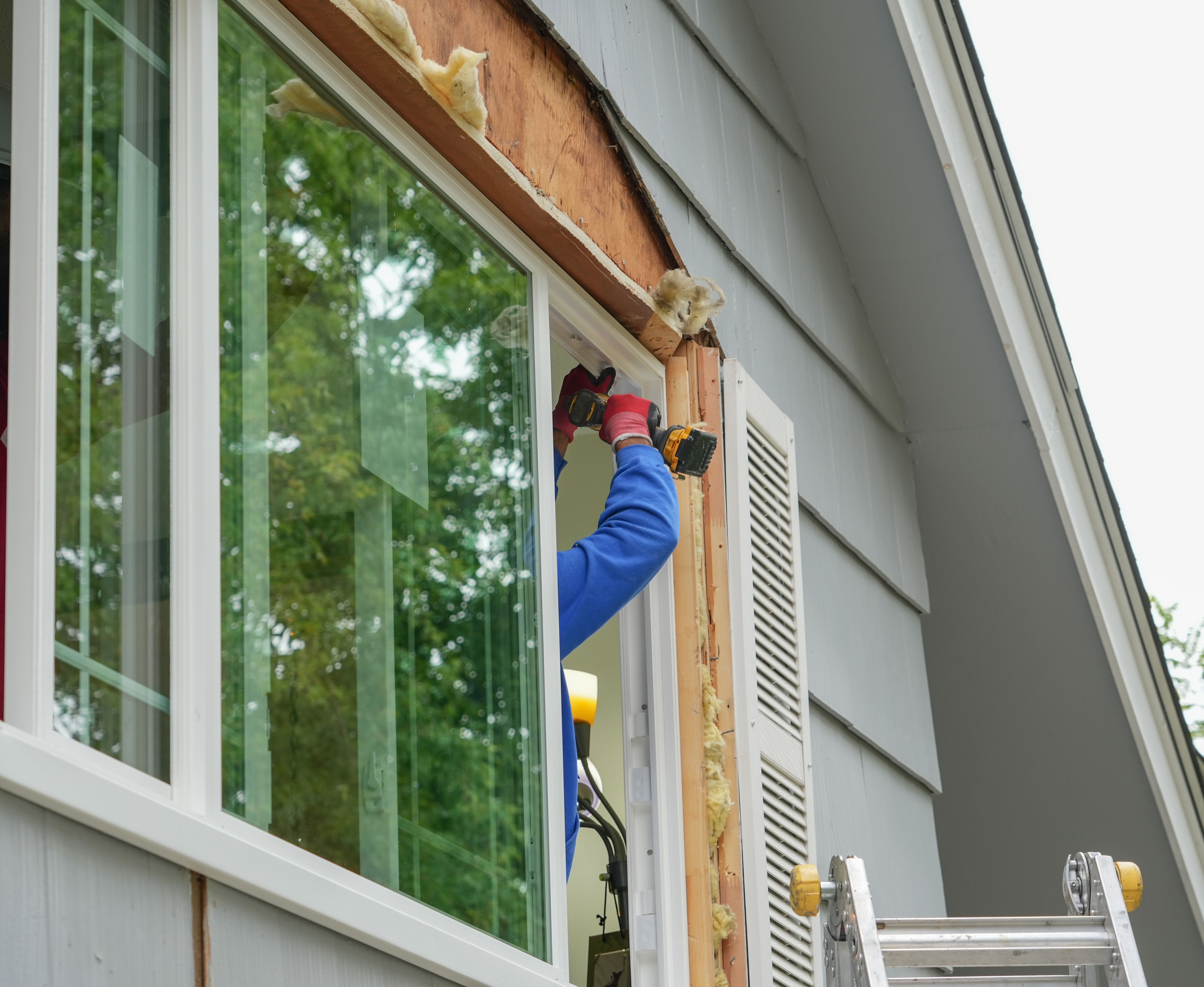
The Permitting Process
Before starting your installation, you may need to obtain a permit. This process typically involves submitting detailed plans of the work to be done. Local authorities will review these plans to ensure they meet all necessary regulations.
It's advisable to work with a professional installer who is familiar with local laws. They can help navigate the permitting process and ensure that all work is done to code, saving you time and potential headaches.
Common Challenges
One of the common challenges homeowners face is the variability in regulations. What applies in one region may not be applicable in another. This can be particularly challenging in areas where regulations are frequently updated or revised.
Another challenge is ensuring that renovations do not affect the historical or architectural integrity of a property, especially in designated heritage areas. Check with local heritage organizations if your property falls within such a zone.
Consulting Professionals
Given the complexities involved, consulting with professionals can be invaluable. Architects, contractors, and local building officials can provide guidance tailored to your specific project and location.
They can also provide insights into any incentives or subsidies available for energy-efficient upgrades, which can offset some of the installation costs.
Staying Informed
Regulations can and do change, so it’s essential to stay informed. Subscribe to local government newsletters or check their websites regularly for updates. Attending community meetings can also provide valuable information and the opportunity to voice any concerns.
By understanding and adhering to local building regulations, you can ensure a smooth, successful installation process that enhances the comfort and value of your home.